

History of Kedarnath Temple
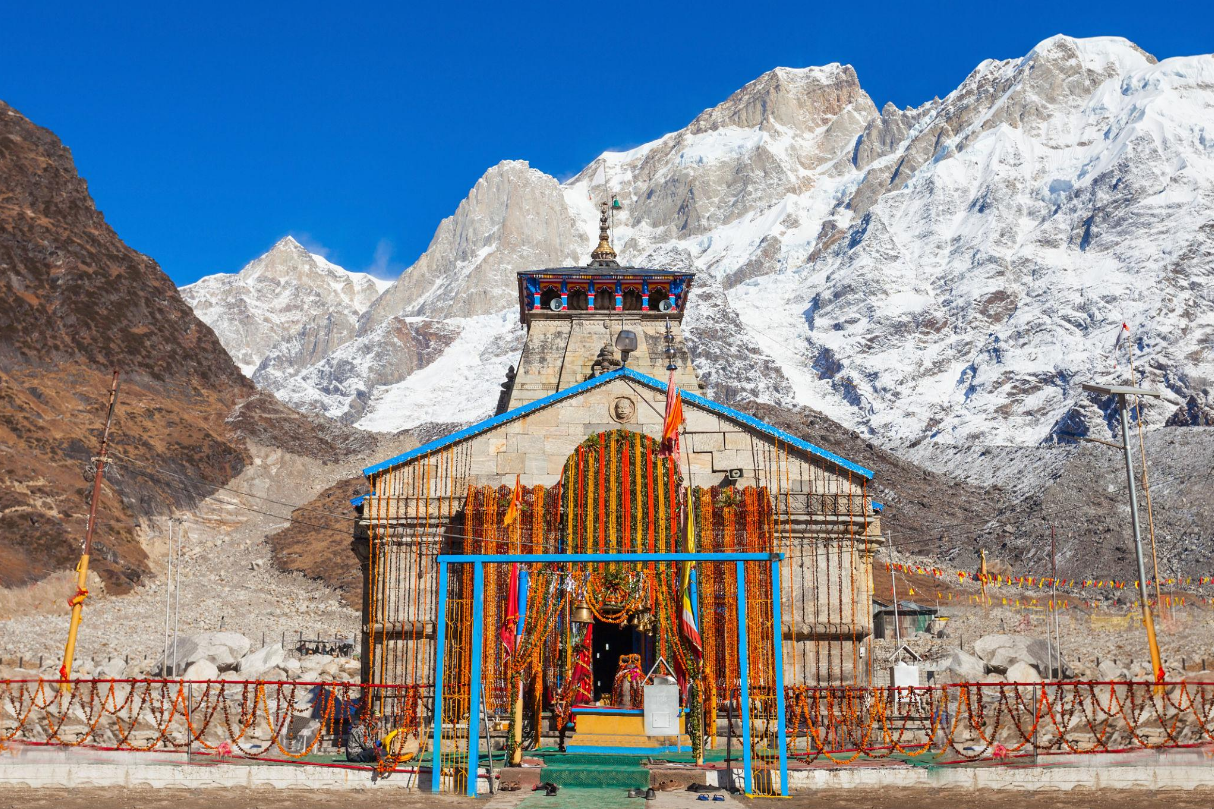
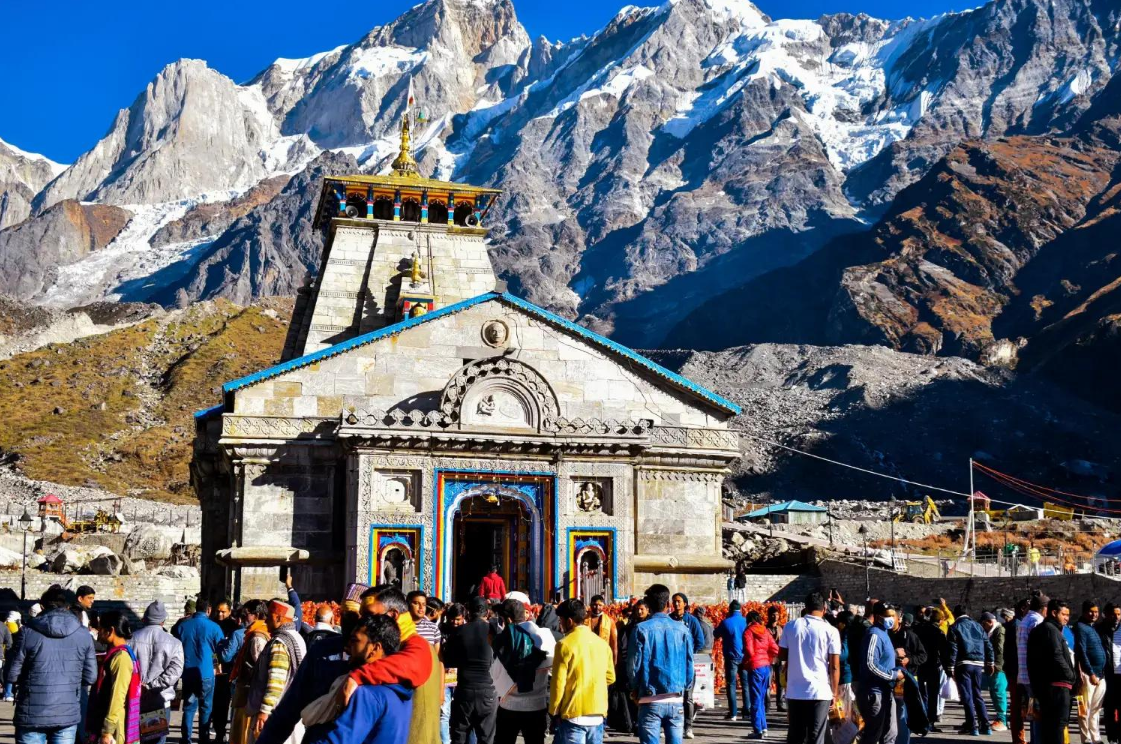
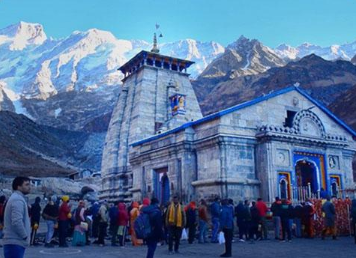
Kedarnath Temple is believed to have been built by the Pandavas from the Mahabharata era. According to Hindu mythology, the Pandavas sought forgiveness from Lord Shiva after the Kurukshetra war. Lord Shiva avoided them and took the form of a bull in Kedarnath.The present temple structure is believed to have been revived by Adi Shankaracharya in the 8th century. Despite facing harsh weather conditions and natural disasters over centuries, Kedarnath Temple continues to stand as a symbol of faith and devotion.
Spiritual Significance of Kedarnath Temple
Kedarnath Temple holds immense religious importance among Shiva devotees. It is considered one of the holiest places in Hinduism and forms an essential part of the Char Dham Yatra along with: Badrinath Gangotri YamunotriThe temple’s spiritual atmosphere, ancient stone architecture, and peaceful Himalayan surroundings create a deeply emotional experience for visitors.Devotees believe that visiting Kedarnath Temple helps attain spiritual peace and divine blessings from Lord Shiva.
Best Time to Visit Kedarnath Temple
The best time to visit Kedarnath Temple is between May and June and again from September to October. During these months, the weather remains pleasant and suitable for travel and trekking.
Summer Season (May–June)
Comfortable weather Clear trekking routes Ideal for sightseeing and pilgrimage
Monsoon Season (July–August)
Autumn Season (September–October)
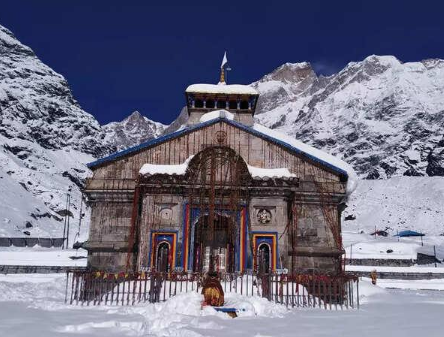
During winter, heavy snowfall covers the region and the temple remains closed.
Comfortable weather Clear trekking routes Ideal for sightseeing and pilgrimage
Important Tips for Kedarnath Yatra
Visiting Kedarnath Temple is a dream for millions of devotees and travelers seeking spiritual peace and Himalayan beauty. Whether you visit for devotion, adventure, or inner peace, Kedarnath Temple offers an experience that remains unforgettable forever.Har Har Mahadev! 🔱