

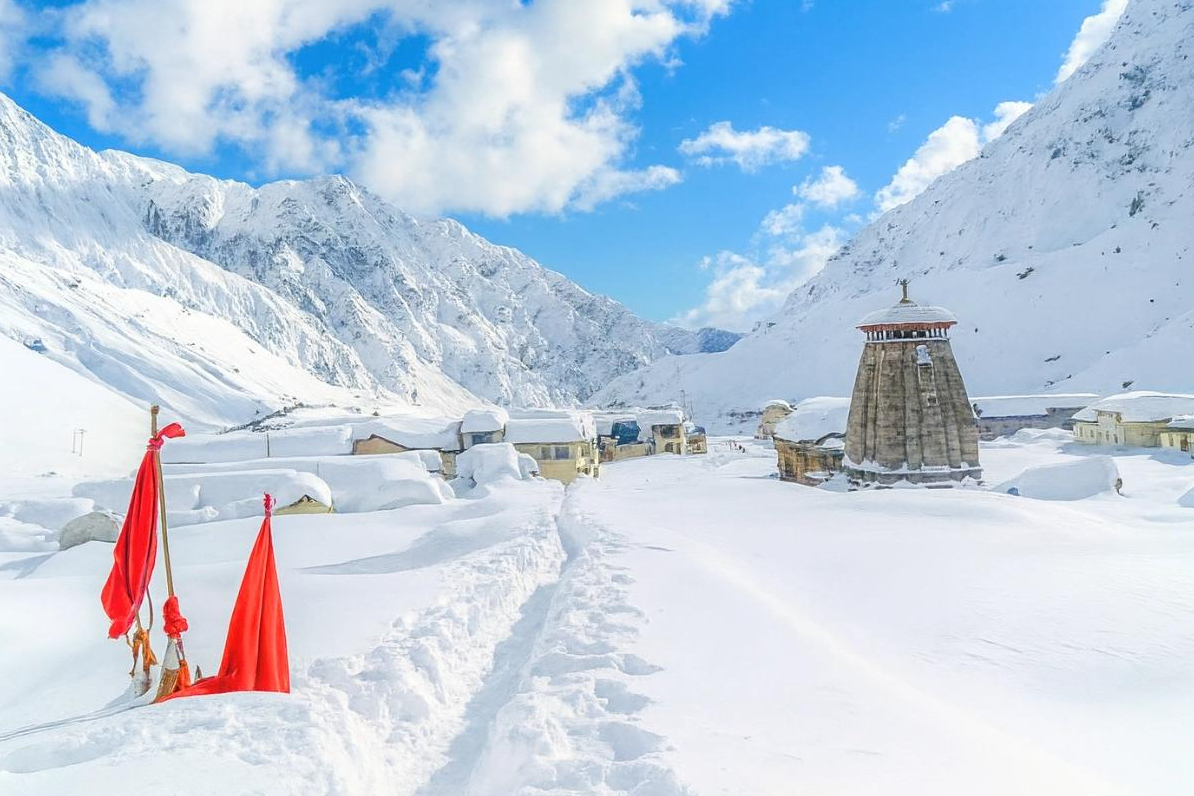
Planning a trip to the sacred Kedarnath Temple? Before starting your journey, checking the Kedarnath weather is one of the most important steps. Located at an altitude of approximately 3,583 metres in the Garhwal Himalayas of Uttarakhand, Kedarnath experiences changing weather conditions throughout the year.
From pleasant summer mornings and chilly evenings to heavy monsoon rainfall and freezing winter temperatures, the weather at Kedarnath can change quickly. Whether you are planning a spiritual Kedarnath Yatra, a family trip or a pilgrimage to the sacred Kedarnath Jyotirlinga, understanding the weather will help you prepare better.
For devotees of Lord Shiva and Mahakal, visiting Kedarnath is more than just a holiday. It is a spiritual experience surrounded by snow-covered mountains, beautiful valleys and the divine atmosphere of Baba Kedar.
In this complete guide by Kedarnath Tourism, you will discover Kedarnath weather month by month, temperature details, snowfall season, rainfall conditions, the best time to travel and essential packing tips for a safe and memorable Yatra.
Where Is Kedarnath Located and Why Does Its Weather Change?
Kedarnath Temple is situated in the Rudraprayag district of Uttarakhand at an altitude of approximately 3,580 metres above sea level. Its high-altitude Himalayan location makes the weather colder than most other pilgrimage destinations in India.
The region experiences cold temperatures, snowfall during winter, rainfall during monsoon and relatively pleasant conditions during the summer pilgrimage season.
One of the most important things to understand about Kedarnath weather is that conditions can change within a few hours. A sunny morning may turn into a cloudy afternoon with cold winds or rainfall.
According to Uttarakhand Tourism, May to October is generally the preferred visiting season, while the temple town remains closed during winter because of heavy snowfall
Why Is Kedarnath Weather Different from Other Hill Stations?
There are several reasons:
- High Altitude: Kedarnath is located approximately 3,580 metres above sea level.
- Himalayan Climate: Cold winds and rapidly changing weather are common.
- Heavy Snowfall: Winter brings freezing temperatures and snowfall.
- Monsoon Rainfall: July and August can bring heavy rain and landslide risks.
- Low Night Temperatures: Even during summer, nights can be extremely cold.
If you are planning a Kedarnath Yatra, always prepare for colder conditions than you might expect from the daytime temperature.
Kedarnath Weather Month by Month – Complete Temperature Guide
Understanding the weather month by month is useful when choosing the right time for your Kedarnath travel plans.
Here is an approximate seasonal temperature guide to help you plan your journey.
Kedarnath Temperature Month-Wise Chart
Approximate indicative temperature ranges in °C. Actual temperatures vary with altitude, snowfall, rainfall and daily weather conditions.
| Month | Day Temperature | Night Temperature | Weather Conditions |
|---|---|---|---|
| January | -5°C to 2°C | -12°C to -5°C | Heavy snowfall, freezing cold |
| February | -3°C to 4°C | -10°C to -4°C | Snow-covered mountains |
| March | 0°C to 7°C | -8°C to -2°C | Cold with melting snow |
| April | 3°C to 10°C | -5°C to 2°C | Cold, occasional snowfall |
| May | 5°C to 15°C | 0°C to 5°C | Pleasant days, cold nights |
| June | 8°C to 18°C | 3°C to 8°C | Relatively warmer weather |
| July | 8°C to 15°C | 5°C to 9°C | Monsoon rainfall |
| August | 8°C to 14°C | 5°C to 9°C | Heavy rain, cloudy skies |
| September | 6°C to 14°C | 2°C to 6°C | Cooler, improving weather |
| October | 2°C to 12°C | -3°C to 3°C | Cold mornings and nights |
| November | -2°C to 8°C | -8°C to -2°C | Freezing cold, snowfall possible |
| December | -5°C to 3°C | -12°C to -5°C | Heavy snow, extreme cold |
Kedarnath Weather in Different Seasons
1. Summer Season (May to June)
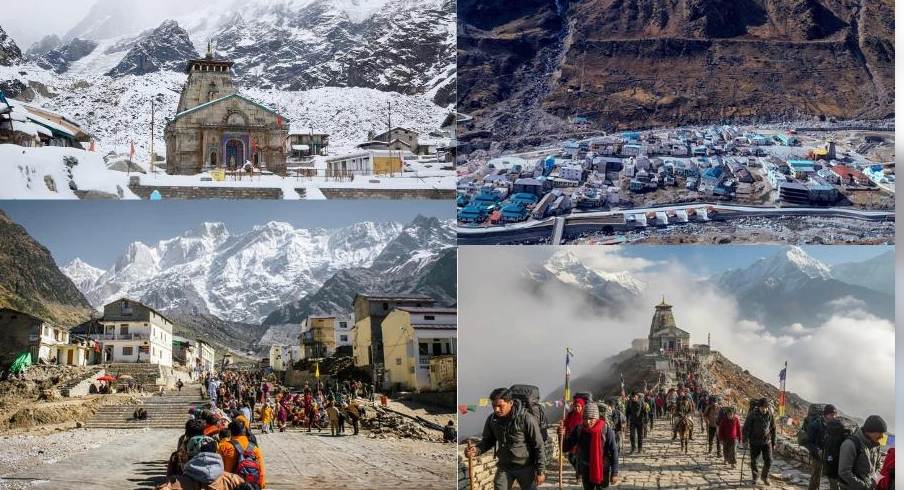
Summer is one of the most popular seasons for Kedarnath Tourism. During May and June, the weather is generally more suitable for pilgrims travelling to the temple.
The daytime temperature is relatively comfortable, but mornings and nights remain cold.
What to expect:
- Pleasant daytime conditions.
- Cold mornings and evenings.
- Snow-covered mountain peaks.
- Large numbers of pilgrims.
- Good opportunities for Himalayan photography.
2. Monsoon Season (July to August)
he monsoon season brings heavy rainfall to the Kedarnath region. During July and August, mountain roads and trekking routes can become slippery.
Rainfall may also increase the risk of landslides, road blockages and temporary suspension of Yatra activities.
What to expect:
- Frequent rainfall.
- Cloudy skies and fog.
- Slippery trekking paths.
- Possible landslides and road closures.
- Sudden changes in weather.
3. Autumn Season (September to October)
September and October are often considered excellent months for Kedarnath Yatra, especially by travellers who prefer comparatively less crowded conditions.
After the monsoon, the surrounding mountains look beautiful, and clearer skies can provide stunning Himalayan views.
What to expect:
- Comparatively clearer weather.
- Beautiful mountain landscapes.
- Cool daytime temperatures.
- Very cold nights.
- Possibility of early snowfall towards the end of the season.
4. Winter Season (November to April)
Winter in Kedarnath is extremely cold. Heavy snowfall covers the temple town and surrounding mountains, making normal pilgrimage activities difficult.
The Kedarnath Temple closes for winter, and the ceremonial worship of Baba Kedar moves to Omkareshwar Temple in Ukhimath.
According to Uttarakhand Tourism, Ukhimath serves as the winter seat of Lord Kedarnath. uttarakhandtourism.gov.in+1
What to expect:
- Freezing temperatures.
- Heavy snowfall.
- Snow-covered mountain routes.
- Temple closure for winter.
- Winter worship at Ukhimath.
Frequently Asked Questions (FAQs) About Kedarnath Weather
2. What is the temperature in Kedarnath during May?
During May, daytime temperatures are approximately 5°C to 15°C, while nights can drop close to 0°C or lower.
3. Which month is best for Kedarnath Yatra?
May, June, September and early October are generally preferred for Kedarnath Yatra, depending on temple opening dates and weather conditions.
4. Does Kedarnath receive snowfall in June?
Fresh snowfall is less common in June than during winter. However, snow can remain on the surrounding Himalayan peaks, and unexpected cold weather is possible.
5. Is Kedarnath safe during the monsoon?
Monsoon travel can be risky because of heavy rainfall, landslides and slippery trekking routes. Check official weather alerts and road conditions before travelling.
6. When does Kedarnath Temple close for winter?
Kedarnath Temple generally closes around October or November, depending on the traditionally announced closing date. The exact date changes every year.
7. Can we visit Kedarnath in December?
The main Kedarnath Temple remains closed during December due to winter conditions and heavy snowfall. Devotees can visit Omkareshwar Temple in Ukhimath for winter worship of Baba Kedar.
8. Is Kedarnath colder than Mahakal Temple in Ujjain?
Yes. Kedarnath is located high in the Himalayas, where temperatures can fall below freezing. Mahakaleshwar Jyotirlinga in Ujjain is situated at a much lower altitude and has a considerably warmer climate.
9. What should I wear during Kedarnath Yatra?
Carry thermal wear, a warm jacket, gloves, woollen socks, a cap, waterproof clothing and comfortable trekking shoes.
1. What is the weather like in Kedarnath?
Kedarnath generally experiences cold weather throughout the year. Summers are relatively pleasant, monsoons bring heavy rainfall, and winters are extremely cold with heavy snowfall.
Conclusion – Plan Your Kedarnath Yatra According to Weather
Kedarnath is a destination where spirituality meets the extraordinary beauty of the Himalayas. From pleasant summer days to freezing winter nights, every season offers a different experience.
Before planning your Kedarnath travel, always check the weather, temple opening dates, road conditions and official Yatra updates.
Whether you are visiting for the sacred Jyotirlinga darshan, Himalayan scenery or the spiritual blessings of Mahakal and Baba Kedar, proper preparation will make your journey safer and more memorable.
Explore more travel guides, Kedarnath Yatra information, accommodation options and pilgrimage updates with Kedarnath Tourism.
Har Har Mahadev! Jai Shri Kedarnath!