

Introduction
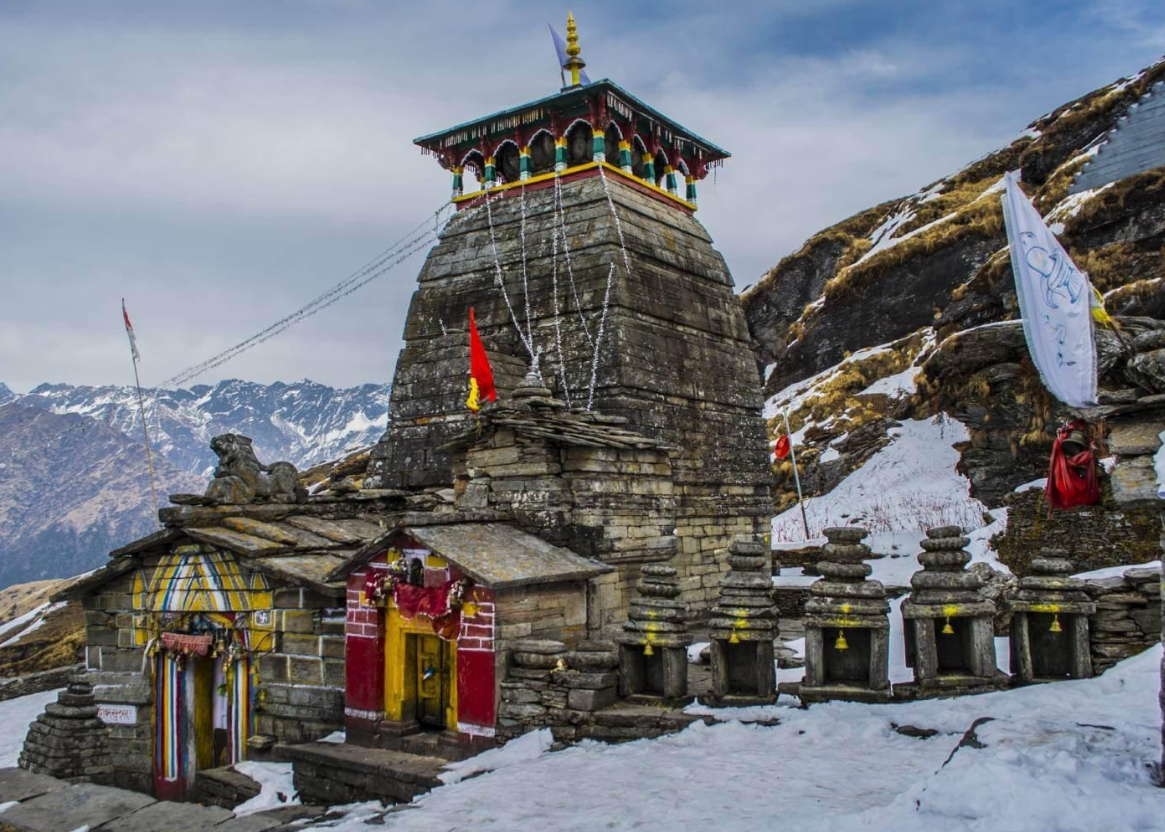
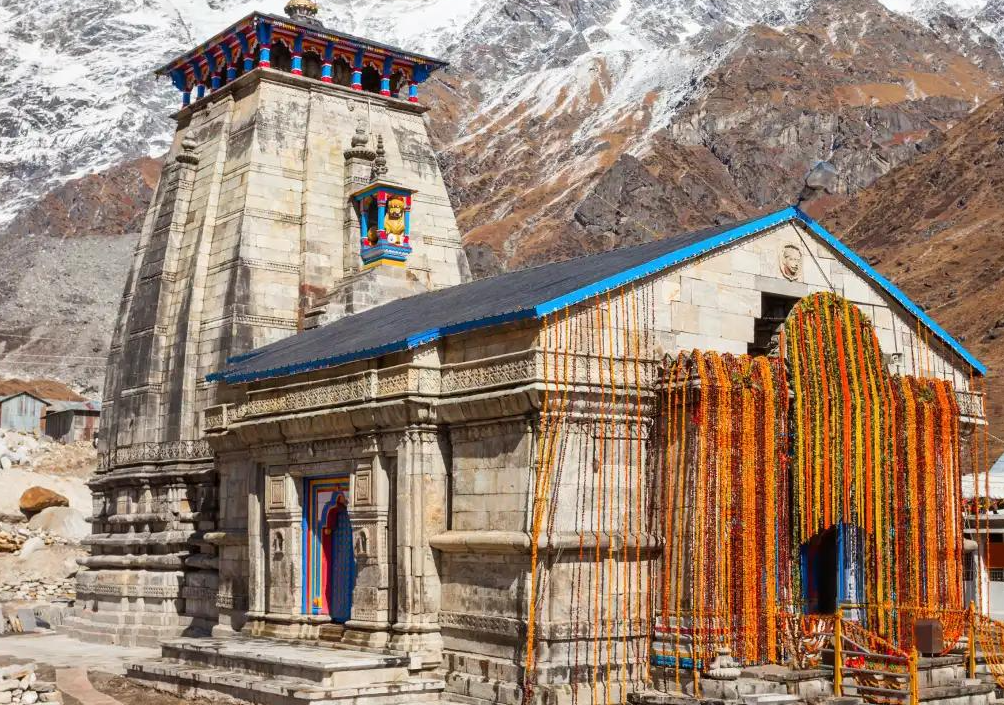
Nestled among the magnificent Himalayan mountains of Uttarakhand, Kedarnath Temple holds a special place in Hindu spirituality. Surrounded by snow-covered peaks and the peaceful atmosphere of the Garhwal Himalayas, this ancient shrine attracts thousands of devotees who travel long distances to seek the blessings of Lord Shiva.But have you ever wondered why Kedarnath Temple is considered one of the 12 Jyotirlingas of Lord Shiva? What makes this sacred shrine so important, and what is the story behind its connection with the Mahabharata?According to Hindu beliefs, the Jyotirlingas represent the divine, infinite form of Lord Shiva. Among these twelve sacred shrines, Kedarnath is particularly significant because of its association with the Pandavas, its ancient traditions and the spiritual importance of the Himalayas.For anyone interested in Kedarnath tourism, understanding the religious history of this temple makes the pilgrimage even more meaningful.
What Is a Jyotirlinga?
The word Jyotirlinga comes from two Sanskrit words:Jyoti: Meaning light or divine radiance.Linga: A sacred symbol representing Lord Shiva.In Hindu tradition, a Jyotirlinga represents the infinite and formless nature of Lord Shiva. It symbolizes the divine energy that has no beginning and no end.According to the Shiva Purana, Lord Shiva manifested as an endless pillar of light to demonstrate that his divine nature is beyond human understanding.There are twelve particularly revered Jyotirlinga shrines across India. Each has its own religious history, mythology and spiritual importance.Kedarnath is one of these twelve sacred pilgrimage destinations and is also an important part of Uttarakhand's Char Dham Yatra.
Why Is Kedarnath Temple One of the 12 Jyotirlingas?
Kedarnath is considered one of the twelve Jyotirlingas because Hindu tradition recognizes it as a sacred manifestation of Lord Shiva's divine presence.According to religious beliefs, the temple houses a naturally formed, distinctive stone manifestation of Lord Shiva, worshipped in his Sadashiva form.Unlike many Shiva temples where the Shivling is represented in a conventional cylindrical shape, Kedarnath's sacred stone formation has a unique conical appearance.The official Uttarakhand pilgrimage information also describes this distinctive form as the manifestation worshipped at Kedarnath.Uttarakhand Tourism+1Its spiritual importance is further connected with the story of the Pandavas, who are believed to have worshipped Lord Shiva here after the Mahabharata war.The combination of ancient beliefs, sacred traditions and its unique Himalayan setting makes Kedarnath one of the most revered Shiva pilgrimage sites in India.
The Mahabharata Story Behind Kedarnath Jyotirlinga
One of the most famous legends associated with Kedarnath comes from the Mahabharata.According to Hindu mythology, after the great Kurukshetra war, the Pandavas were deeply troubled by the bloodshed and the loss of their relatives. Although they had won the war, they wanted to seek forgiveness for the destruction caused during the battle.They decided to meet Lord Shiva and ask for his blessings and forgiveness.However, Lord Shiva was not immediately willing to meet them. He took the form of a bull (Nandi) and hid among other cattle in the Himalayan region.The Pandavas eventually recognized him. When Bhima attempted to catch the divine bull, Lord Shiva is believed to have disappeared into the ground.According to the popular legend, the hump of the bull remained visible at Kedarnath, where it is worshipped as the sacred manifestation of Lord Shiva.This is why Kedarnath holds a particularly important place in the religious traditions associated with the Pandavas.The story is also connected with the origin of the Panch Kedar temples.
The 12 Jyotirlingas of Lord Shiva in India
list:No.JyotirlingaLocation
1 SomnathGujarat
2 MallikarjunaAndhraPradesh
3 MahakaleshwarMadhyaPradesh
4 OmkareshwarMadhyaPradesh
5 BaidyanathJharkhand
6 BhimashankarMaharashtra
7 RameshwaramTamil Nadu
8 NageshwarGujarat
9 Kashi VishwanathUttar Pradesh
10 TrimbakeshwarMaharashtra
11 KedarnathUttarakhand
12 GrishneshwarMaharashtra
Best Time to Visit Kedarnath Temple
The temple generally opens during April or May and remains accessible until October or November, depending on the annual religious calendar and weather conditions.Here is a general seasonal overview:May to June: Popular pilgrimage season with a large number of devotees.July to August: Monsoon season, when heavy rainfall can affect travel.September to October: Often preferred for clearer mountain views and relatively pleasant weather.